Gaming – The New Treatment for Autism
Turning to video games to help children with learning difficulties is still in its infant stages. However, the early signs suggest that gaming can help neurodiverse people for a number of reasons.
Researchers are hopeful that gaming’s capacity for engagement has the potential to increase attention span and encourage flexible thinking. Autistic children tend to be rigid in their thinking which impairs their problem-solving skills.
By their very nature, video games are designed to foster flexible thinking. By repeating scenarios, players learn to adapt their behaviour. This game dynamic helps children with autism to learn from mistakes in an environment that is less demanding than the real world.
Some people with autism also find certain types of video games are a good source of comfort. Autism is a neurological condition which hinders social interaction, communication and motor skills. Being able to immerse themselves in gaming serves as an escape.
Server Design
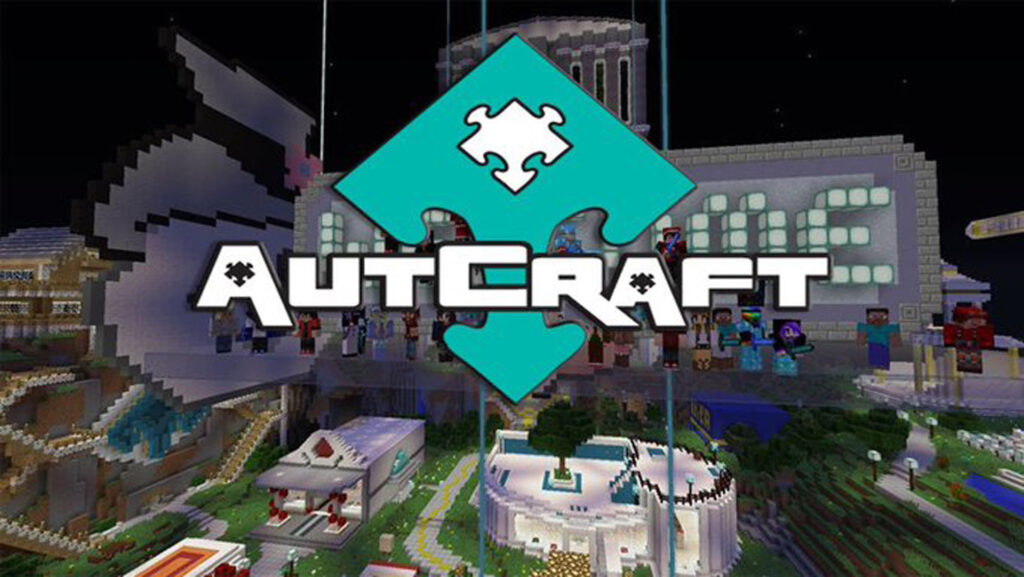
An example is Autcraft – a server on the popular game Minecraft without the trolls and grievers populating the chatroom with hurtful comments which can easily be take the wrong way by autistic children and dent their confidence even further.
Players and their families have expressed their gratitude to the servers designers, saying how it has helped them to understand cause and effect. The game also provides access to a community of individuals with learning difficulties and has encouraged players to open up in conversations with other players that will understand them. However, the benefits of games can run deeper.
Video games that involve players interacting with characters can be used to help autistic children to develop social skills. One of the issues autistic children have is difficulty holding a conversation in alignment with social norms.
By interacting with characters in video games, children with impaired social skills can learn how to have engaging conversations. And with enhanced graphics helping to make the on-screen characters appear almost life-like, gaming scenarios can feel like real-life situations.
Adults with autism
Adults with autism have been able to express the benefits they have noticed from their gaming experiences. One account reveals that video games helped to increase focus which goes against the grain of how an autistic brain might ordinarily function. In turn, autism enriches the gaming experience can help individuals to develop life skills.
Traditional therapies including pharmacological interventions, occupational therapy, speech therapy, physical therapy and applied behaviour analysis have produced mixed, if not limited, results – hence the overwhelming number of existing treatments.
Some parents and physicians have now turned their attention to video games – and the results have been encouraging. Whilst video games may not be a final solution, gaming is shown to be a worthy treatment to supplement conventional strategies.