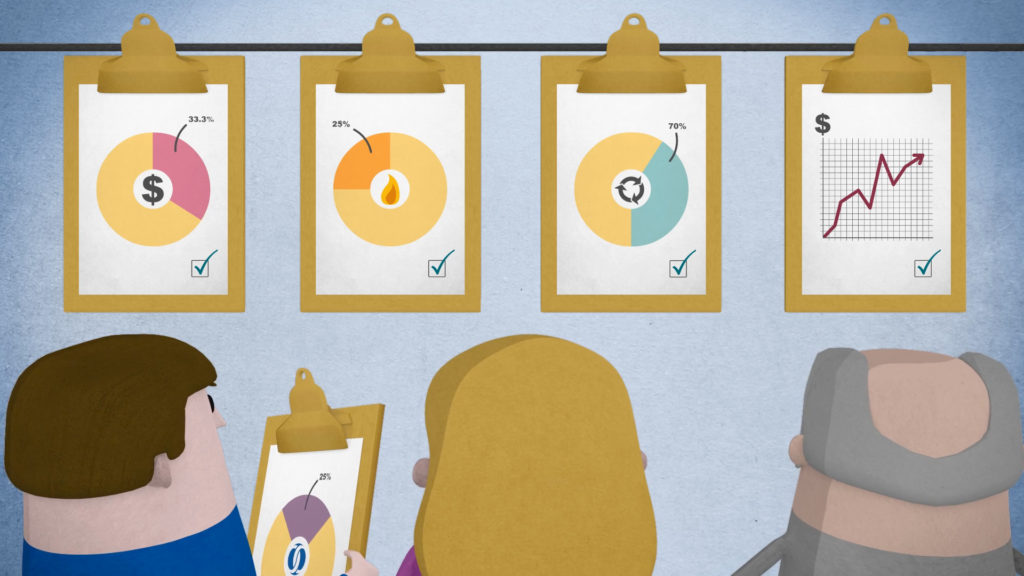
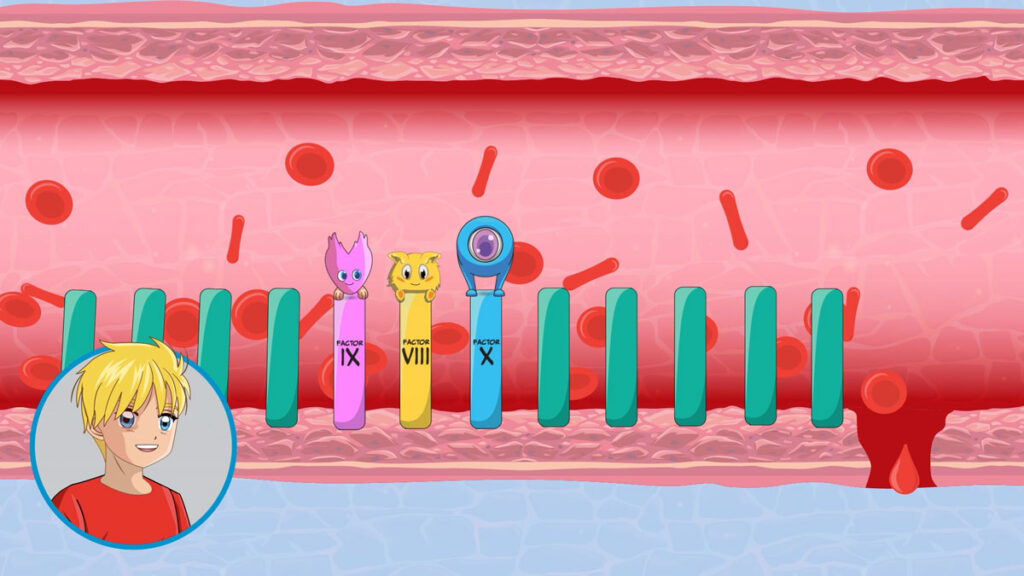
We have all experienced it. You open a document, scan a few paragraphs, and still feel unsure what something actually means. Then you see a diagram, an animation, or a short visual explanation and suddenly it makes sense. Nothing has really changed except the format. This is the value of visuals over text.
This is the quiet strength of visual communication. It is not about replacing text altogether, but about recognising that visuals can often get a message across more quickly, especially when the subject matter is complex or unfamiliar.
Visual content in modern marketing is crucial for capturing and maintaining audience attention. Research shows that the human brain processes images 60,000 times faster than text. This rapid processing makes visual content incredibly effective for quick communication. Posts with visuals receive 94% more views than those without, underscoring their power in boosting engagement. Reference link
How Our Brains Process Visual Information
The human brain is very good at recognising patterns, movement, and relationships between objects. When information is presented visually, the brain can take in multiple cues at once. Shape, colour, motion, and spatial positioning all contribute to understanding, often without conscious effort.
Text, by contrast, is processed sequentially. You read one word at a time, then build meaning sentence by sentence. This works well for detailed explanation, but it takes longer and requires sustained focus.
When time is limited or attention is stretched, visuals often do the heavy lifting more efficiently.
Why Visuals Communicate Faster Than Text
Visuals reduce the cognitive effort required to understand something. Instead of asking the reader to imagine how a process works, a visual shows it directly. This is particularly useful when explaining systems, workflows, or abstract concepts.
Visual communication works well because it can:
- Show relationships instantly, such as cause and effect
- Remove ambiguity by making ideas concrete
- Reduce the need for long explanations
- Help people grasp the overall picture before diving into detail
Visuals Over Text – This is why diagrams, animations, and infographics are so widely used in training, education, and technical communication.