At Sliced Bread Animation, we have spent over two decades working with organisations to improve how they communicate, train, and engage their people. Over that time, one thing has become clear. Elearning only works when it is engaging.
Too often, elearning is created quickly, delivered once, and forgotten. Learners click through slides, complete a quiz, and move on without retaining much of what they have seen. The challenge is not access to training. It is making that training meaningful.
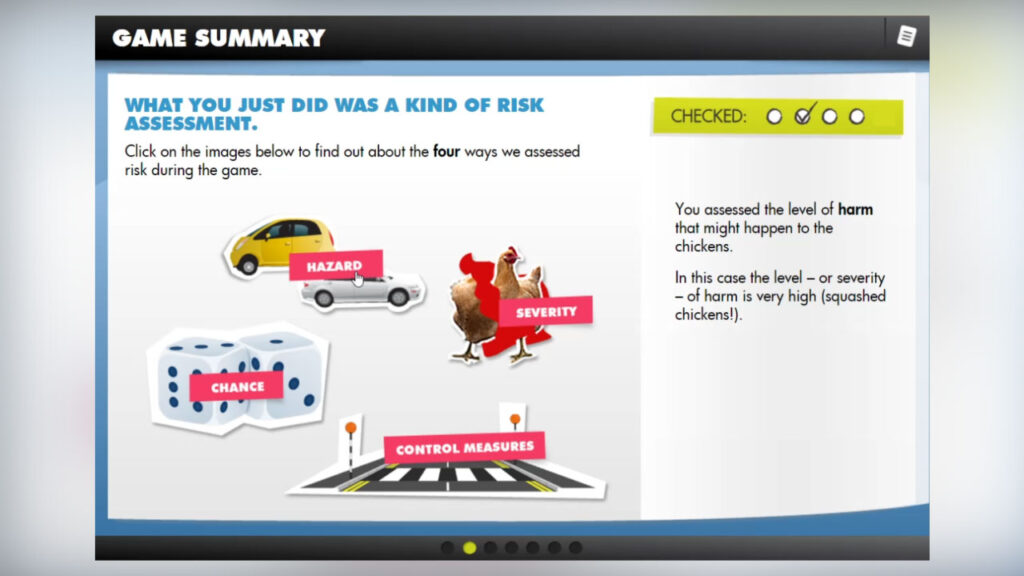
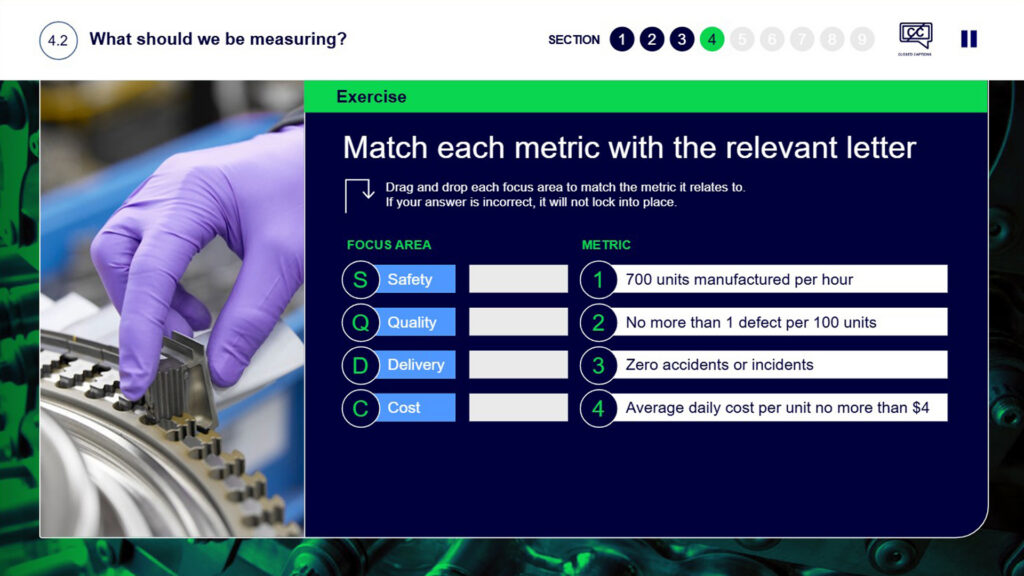
Our approach to e-learning is built around a simple idea: people learn best by doing.
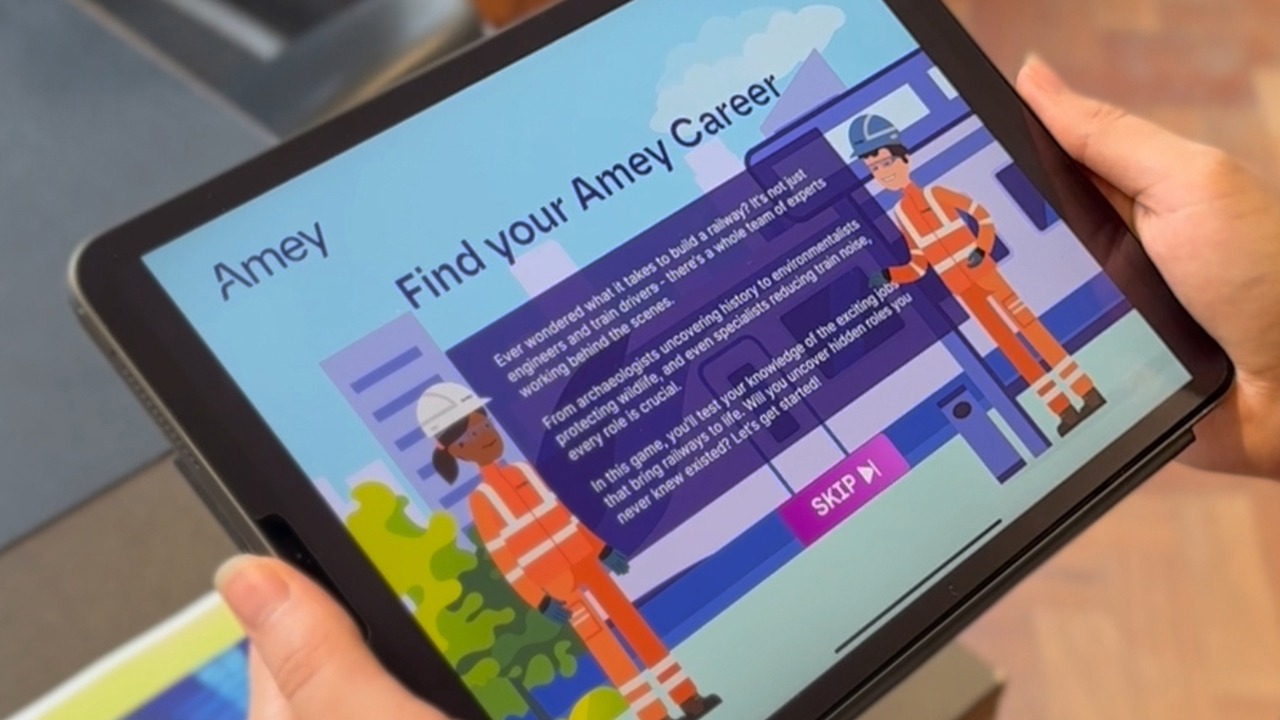
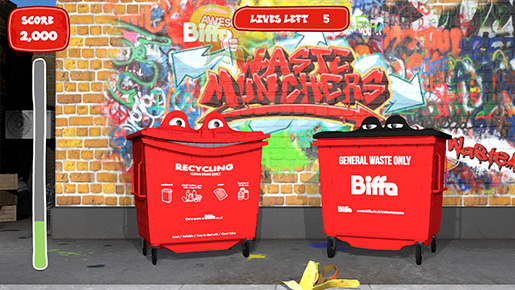
This principle underpins everything we create, from interactive modules and scenario-based training to gamified learning experiences and animated content. It is how we move beyond passive learning and create something that sticks.
The Challenge with Traditional Elearning
E-learning has clear advantages. It is flexible, scalable, and accessible across organisations of all sizes. In fact, research shows that over 75% of learners feel more engaged when using e-learning platforms.
But there is a catch.
Without careful design, e-learning can quickly become disengaging. Static slides, dense text, and linear structures often fail to reflect how people actually learn. The result is low retention, limited behaviour change, and poor return on investment.
We see this regularly when clients come to us. The content exists. The intent is there. But the experience is not working.
Our Approach: Elearning by Doing
We design e-learning experiences that place the learner at the centre. Rather than simply presenting information, we create environments where users:
- Make decisions
- Explore consequences
- Test their understanding
- Build confidence through interaction
This is where e-learning becomes more than content delivery. It becomes a safe space to practise.
Scenario-based training is a good example of this. By allowing users to see the outcomes of their decisions, we help them adapt more quickly than they would in real-world situations, without the pressure of getting it wrong.